Japanese Moon See Hamburg

Japanese Moon See Hamburg

Moon Hamburg is an autumn limited hamburger launched by McDonald's in Japan to celebrate the Mid-Autumn Festival. Since its first launch in 1991, it has become a classic Japanese autumn food. On white sesame bread, there are juicy 100% beef burger chops, smoked bacon, rich cheese slices, and an omelette symbolizing the full moon. The omelette is shaped like the full moon of the Mid-Autumn Festival, implying reunion and beauty, hence the name "Moon See". The creativity comes from the traditional Japanese culture of "seeing the moon", that is, the custom of enjoying the moon in the Mid-Autumn Festival. In Japan, people will serve moon-like food on Mid-Autumn nights, and the Moon Hamburger has become one of the indispensable delicacies during the Mid-Autumn Festival in Japan.
Mount Fuji in Japan

Mount Fuji in Japan

An active volcano that has almost become a national symbol, renowned for its almost perfect cone shape and magnificent scenery. Located in the central southern part of Honshu, with an altitude of 3776 meters, it is the highest peak in Japan and one of the largest active volcanoes in the world. The mountain top is covered in snow all year round, complementing the blue sky and forming a typical Japanese landscape painting. Not only is it a popular destination for mountaineering enthusiasts, but it is also a symbol of Japanese spiritual culture. Every summer, thousands of climbers attempt to climb Mount Fuji and experience the magnificent scenery of standing at the top overlooking the sea of clouds. The Fuji Five Lakes area at the foot of the mountain attracts many tourists with its clear lake water and rich natural ecology.
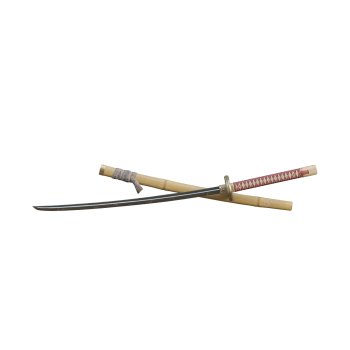
3D model of Japanese samurai sword

3D model of Japanese samurai sword

Also known as the Japanese sword or samurai sword, it is a traditional Japanese single blade sword renowned for its sharp, curved blade and exquisite craftsmanship. Not only is it a symbol of the Japanese samurai class, but it is also an important part of Japanese culture. The production technology is very complex, involving forging, quenching, tempering, and fine grinding processes of the blade. The blade usually presents a unique curve, which not only increases the cutting force of the blade, but also makes it more flexible when swung. The handle design takes into account the user's grip comfort and efficiency, while the sheath is usually made of hardwood or metal, which not only protects the blade but also reflects a certain degree of decoration.
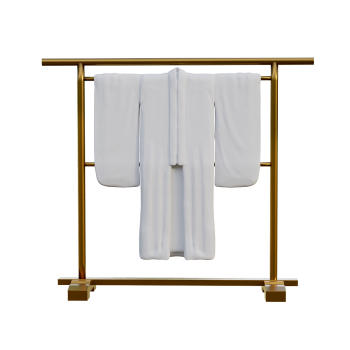
Japanese kimono rack

Japanese kimono rack

It is a shelf used for displaying or storing kimono. Kimono is a traditional Japanese garment with profound cultural significance and historical value. The design of kimono racks usually takes into account the elegant lines and fine details of the kimono to ensure that its shape and aesthetics can be maintained during display. Usually made of wood or metal, some also come with fabric or silk padding to increase softness and protection. It can be a simple vertical design or a complex wall mounted or rotating design to accommodate different display needs and spatial layouts. It is a practical and beautiful household item that can also reflect the owner's love and respect for Japanese culture and art.
Kiseru Traditional Japanese Pipe

Kiseru Traditional Japanese Pipe

It is a traditional Japanese pipe with a long history in Japanese culture. Compact and exquisite, usually made of bamboo, wood, or metal, with a simple yet elegant design. The feature is a slender tube and a small pipe bowl, which allows smokers to slowly savor the aroma of tobacco. Usually, tobacco is filled into a pipe bowl and then the end of the tobacco is lit. Due to the small size of the pipe bowl, smokers need to light their tobacco frequently. It also holds a place in traditional Japanese art and literature, often depicted in ukiyo-e and literary works, reflecting its importance in social life. It is an indispensable part of Japanese culture.
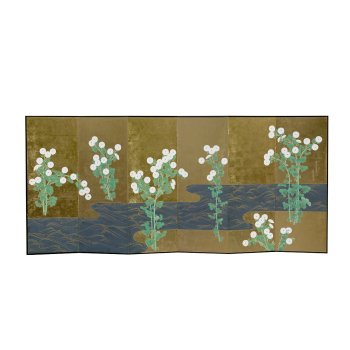
Riverbank Chrysanthemum Screen - Cleveland Museum of Art
Riverbank Chrysanthemum Screen - Cleveland Museum of Art

It is a work created by a follower of Mitsuru Ogata, a famous painter of the Edo period in Japan. This painting was created in the late 18th to early 19th century and is part of a set of works. It is a pair of six fold screens, using gold foil as the canvas, drawn with ink and color. The painting depicts chrysanthemums by the stream, showcasing the delicacy and elegance of traditional Japanese painting. Kobayashi Ogata himself lived between 1658 and 1716, and this artwork was created shortly after his death by his followers, reflecting his artistic style and influence. Currently collected at the Cleveland Museum of Art
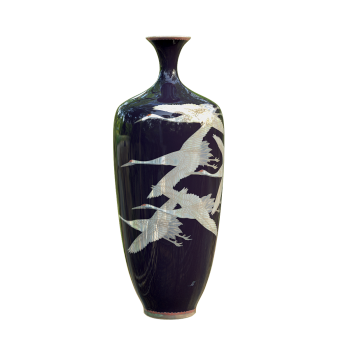
Japanese Red crowned Crane Black Ceramic Bottle (Right) - Krakow Japan Art and Technology Center, Poland
Japanese Red crowned Crane Black Ceramic Bottle (Right) - Krakow Japan Art and Technology Center, Poland

The Japanese Art and Technology Center, located in Krakow, Poland, is renowned for its exquisite craftsmanship and traditional themes, showcasing the level of Japanese craftsmanship during the Meiji period (1868-1912). Adopting cloisonn é enamel technology, silver wire is used to outline the pattern of flying cranes flying on a dark blue background, and the white crane body is embellished with gray and red elements, presenting a continuous style. At the edge of the bottle mouth and near the base, a red circular pattern border can be seen. Under the base, you can see the symbol of the "ヨ" syllable in a form similar to Japanese katakana. He is a representative of Japanese culture and craftsmanship.
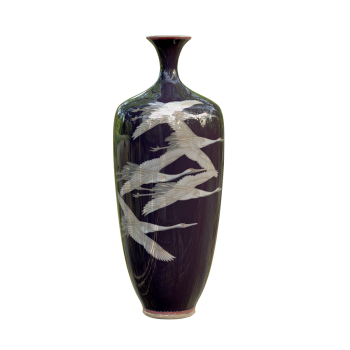
Japanese Red crowned Crane Black Ceramic Bottle (left) - Krakow Japan Art and Technology Center, Poland

Japanese Red crowned Crane Black Ceramic Bottle (left) - Krakow Japan Art and Technology Center, Poland

The Japanese Art and Technology Center, located in Krakow, Poland, is renowned for its exquisite craftsmanship and traditional themes, showcasing the level of Japanese craftsmanship during the Meiji period (1868-1912). Adopting cloisonn é enamel technology, silver wire is used to outline the pattern of flying cranes flying on a dark blue background, and the white crane body is embellished with gray and red elements, presenting a continuous style. At the edge of the bottle mouth and near the base, a red circular pattern border can be seen. Under the base, you can see the symbol of the "ヨ" syllable in a form similar to Japanese katakana. He is a representative of Japanese culture and craftsmanship.
Japanese hand water bowl

Japanese hand water bowl

It is a common stone basin in traditional Japanese gardens, used for visitors to wash their hands and rinse their mouth before entering shrines or temples to purify their body and mind. It is usually carved from natural stone and has various shapes, but the most common ones are round or square. Its design is simple and elegant, blending harmoniously with the surrounding environment. In Japanese culture, a water bowl is not only a practical facility, but also a spiritual symbol that reflects the Japanese people's respect for cleanliness, purity, and humility. When using a hand water bowl, visitors will follow certain etiquette: first use a spoon to scoop water to clean their left hand, then clean their right hand, then use their right hand to scoop water to rinse their mouth, and finally clean their left hand again and put the spoon back in place
Japanese sky lanterns

Japanese sky lanterns

Also known as a lantern, it is a traditional handicraft originating from Japan with a long history and rich cultural connotations. Originating from the Heian period, it was originally used for celebrations and religious ceremonies of the royal family and nobility. Over time, this type of lantern gradually became popular among the people and became an indispensable part of Japanese culture. Production usually uses bamboo or paper materials, and through careful weaving and decoration, various shapes and patterns are created. It also carries profound cultural significance, as people believe that releasing sky lanterns can bring good luck and the realization of wishes. Many families and individuals will release sky lanterns on specific days to express their beautiful vision for the future.
Japanese Purple Cherry Blossom Sky Lantern

Japanese Purple Cherry Blossom Sky Lantern

Also known as a lantern, it is a traditional handicraft originating from Japan with a long history and rich cultural connotations. Originating from the Heian period, it was originally used for celebrations and religious ceremonies of the royal family and nobility. Over time, this type of lantern gradually became popular among the people and became an indispensable part of Japanese culture. Production usually uses bamboo or paper materials, and through careful weaving and decoration, various shapes and patterns are created. It also carries profound cultural significance, as people believe that releasing sky lanterns can bring good luck and the realization of wishes. Many families and individuals will release sky lanterns on specific days to express their beautiful vision for the future.
Japanese Screen - Xiangyun

Japanese Screen - Xiangyun

Also known as "screen painting" or "screen", it is an important form of traditional Japanese art. Originating in China, it later spread to Japan and gradually developed a unique Japanese style. It is usually composed of multiple connected screens that can be folded and unfolded for easy carrying and storage. The materials of screens are diverse, including paper, silk, wood, etc. They are often painted with patterns of mountains, rivers, flowers, birds, and figures, reflecting Japan's natural scenery and cultural characteristics. Although the practicality of screens has weakened, their artistic and decorative qualities are still loved by people.
Japanese Screen - Flower Butterfly

Japanese Screen - Flower Butterfly

Also known as "screen painting" or "screen", it is an important form of traditional Japanese art. Originating in China, it later spread to Japan and gradually developed a unique Japanese style. It is usually composed of multiple connected screens that can be folded and unfolded for easy carrying and storage. The materials of screens are diverse, including paper, silk, wood, etc. They are often painted with patterns of mountains, rivers, flowers, birds, and figures, reflecting Japan's natural scenery and cultural characteristics. Although the practicality of screens has weakened, their artistic and decorative qualities are still loved by people.
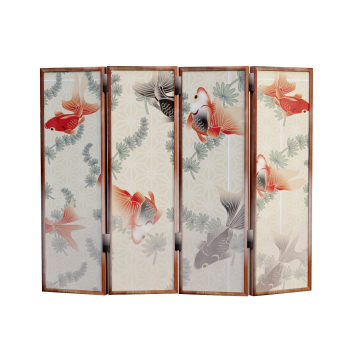
Japanese Screen - Goldfish

Japanese Screen - Goldfish

Also known as "screen painting" or "screen", it is an important form of traditional Japanese art. Originating in China, it later spread to Japan and gradually developed a unique Japanese style. It is usually composed of multiple connected screens that can be folded and unfolded for easy carrying and storage. The materials of screens are diverse, including paper, silk, wood, etc. They are often painted with patterns of mountains, rivers, flowers, birds, and figures, reflecting Japan's natural scenery and cultural characteristics. Although the practicality of screens has weakened, their artistic and decorative qualities are still loved by people.
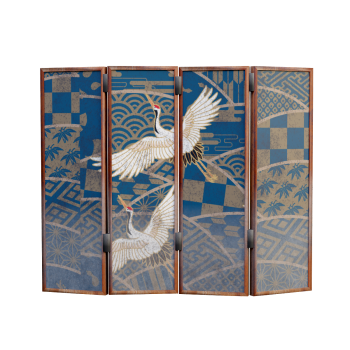
Japanese Screen - Red crowned Crane

Japanese Screen - Red crowned Crane

Also known as "screen painting" or "screen", it is an important form of traditional Japanese art. Originating in China, it later spread to Japan and gradually developed a unique Japanese style. It is usually composed of multiple connected screens that can be folded and unfolded for easy carrying and storage. The materials of screens are diverse, including paper, silk, wood, etc. They are often painted with patterns of mountains, rivers, flowers, birds, and figures, reflecting Japan's natural scenery and cultural characteristics. Although the practicality of screens has weakened, their artistic and decorative qualities are still loved by people.
Japanese wooden lantern

Japanese wooden lantern

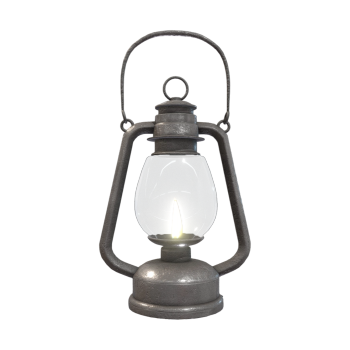
Also known as a Japanese lantern, it is a traditional lighting fixture with profound cultural significance and aesthetic value. Originating from the Heian period, it was initially used for lighting in temples and shrines, and later gradually became popular among the people, becoming an important part of festival celebrations and home decoration. Candles or electric lights are usually installed inside, emitting soft and warm light through carefully designed translucent parts such as bamboo weaving, paper paste, or glass windows. At night, the light and shadow effects of wooden lanterns are particularly charming, adding a sense of tranquility and peace to the surrounding environment.
Japanese ceramic tray

Japanese ceramic tray

Kasuga Shrine Stone Pillar Lamp in Japan

Kasuga Shrine Stone Pillar Lamp in Japan

It is a stone pillar lamp in the Kasuga Daisha area. It is said that the oldest surviving stone pillar lamp can be traced back to the late Heian period in 1136 and was enshrined by Tadao Fujiwara. There are about 3000 stone pillar lamps and hanging lanterns inside the Kasuga Shrine, which not only illuminate the worship path of the shrine, but also become a unique scenic spot in Kasuga Shrine. Every February and August, the Spring Festival is held by the society, where all lanterns are lit up to create a mysterious and solemn atmosphere. The stone lanterns and hanging lanterns of Kasuga Shrine are not only important components of the shrine, but also important symbols of Japanese culture and religious beliefs.
Japanese traditional hand-held lantern

Japanese traditional hand-held lantern

Also known as the Japanese style lantern or Japanese lantern, it is a common decoration in traditional Japanese culture with strong Japanese characteristics. The frame is usually made of bamboo strips or wood, covered with paper or silk, and usually has metal or wood decorative rings on the top and bottom. Only used for lighting, it also has decorative and symbolic significance. They can be seen on occasions such as festivals, celebrations, tea ceremonies, shrines, and temples. Especially during the Obon Festival in summer and the Cherry Blossom Festival in spring, people light lanterns to create a warm and peaceful atmosphere. With the development of time, the design and use of Japanese lanterns have also been constantly evolving and expanding.
Japanese samurai sword "Ghost Kill"

Japanese samurai sword "Ghost Kill"

It is a legendary Japanese knife, whose name means' killer of ghosts'. This knife is renowned for its unparalleled sharpness and ability to slay evil spirits. It is said to have been forged by a mysterious swordsmith in ancient Japan, with a slender blade and a sharp edge that can easily cut any substance. Closely connected with a brave warrior, he killed countless evil spirits in a great battle and protected the village and people. It is a symbol of courage and justice in Japanese culture. Often used in artistic creation and literary works, it has become an iconic symbol of the Japanese bushido spirit.
Japanese antique lacquer box

Japanese antique lacquer box

It is a unique artwork with Asian style, usually used to store tea or other precious items. Known for its exquisite craftsmanship and unique cultural significance. It is usually made of high-quality wood and coated with multiple layers of paint on the surface. After careful polishing, it presents a smooth texture and deep colors. Decorations are usually very intricate and may include traditional patterns, landscape paintings, or calligraphy, reflecting the creator's superb skills and ultimate pursuit of details. Antique lacquer boxes are highly favored by collectors due to their historical value, artistic value, and scarcity. Not only a collection, but also a window to understand and appreciate traditional Asian art and crafts.
Japanese samurai sword

Japanese samurai sword

Also known as the Japanese sword or samurai sword, it is a symbol of the Japanese samurai class, renowned for its exquisite craftsmanship and unique aesthetic design. This type of knife originated during the Heian period (794-1185) and was further developed and perfected during the Muromachi period (1336-1573) and Edo period (1603-1868). Not only is it a combat tool, but it is also an important component of Japanese culture. It represents the honor, courage, and skills of warriors, and is a manifestation of the spirit of warriors. Over time, samurai swords gradually transformed from actual combat tools to objects for collection and artistic appreciation.
Japanese style residence

Japanese style residence

Japanese style residences, also known as Japanese style residences, are a traditional form of living in Japan known for their simplicity, naturalness, and harmony. This residential style is deeply influenced by Japanese culture and Zen philosophy, emphasizing harmonious coexistence with nature, as well as the multifunctionality and flexibility of the space. Typical features include the use of natural materials such as wood, bamboo, and paper, as well as the adoption of traditional Japanese building techniques. Houses are usually made of wooden structures, with roofs covered in tiles or mats, and exterior walls painted in natural tones, blending seamlessly with the surrounding environment. This not only reflects traditional Japanese aesthetics, but also embodies a simple and environmentally friendly way of life.
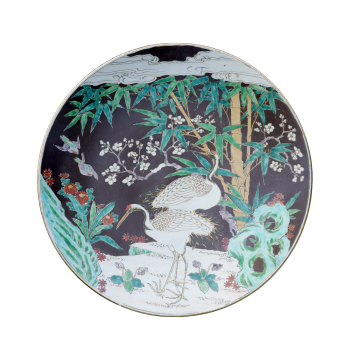
Japanese Crane and Bamboo Pattern Porcelain Plate

Japanese Crane and Bamboo Pattern Porcelain Plate

A richly decorated piece of Japanese porcelain. This work shows the landscape of two cranes and blooming cherry trees with fine hand-painted craftsmanship. Bamboo branches, roses and shrubs are also painted in the background, full of natural beauty and the charm of oriental art. The pattern on the porcelain plate not only reflects the pursuit of natural and harmonious beauty in Japanese culture, but also shows the superb skills of traditional Japanese painting art.
1 2 Next